


Published by GFXToolz AI | Last updated: March 2026
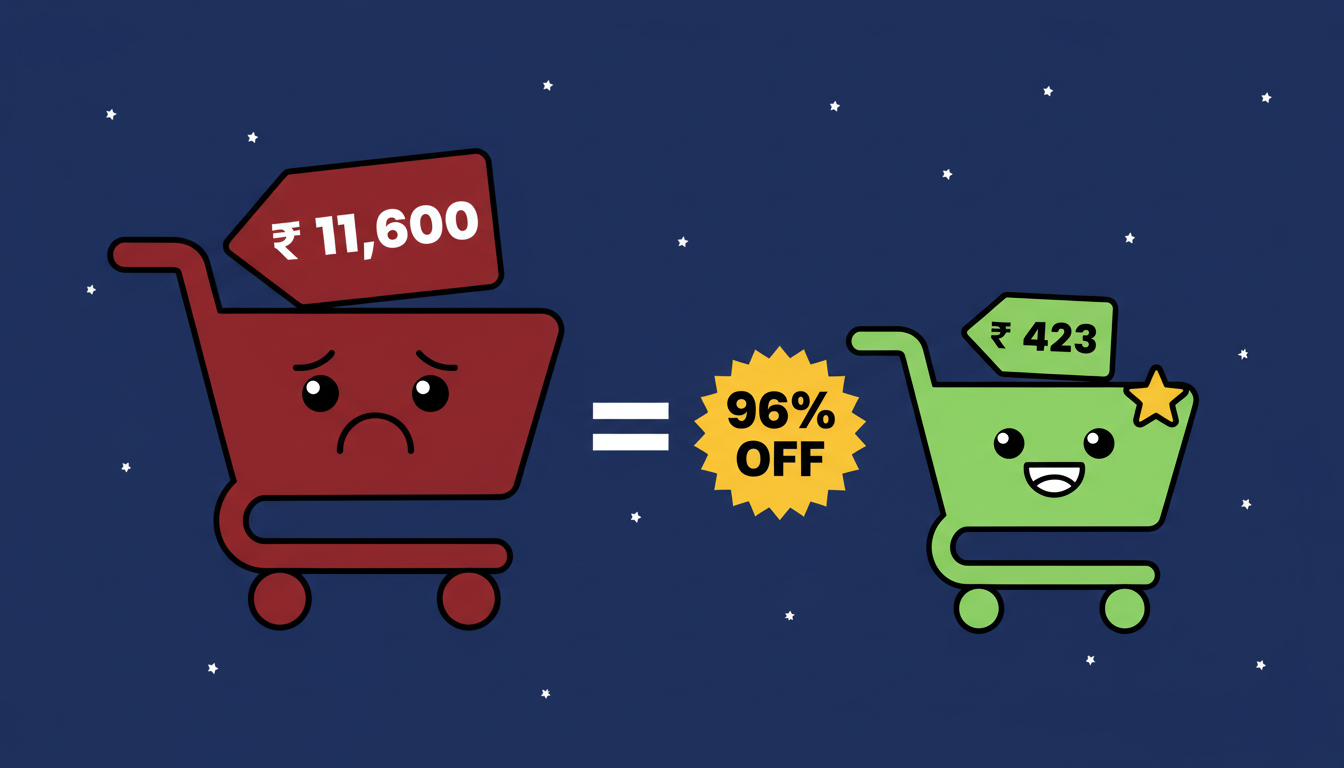
Semrush group buy is the most searched term for Indian freelancers who want the world’s most complete SEO platform without paying ₹11,600/month. This guide covers everything — how to access it, how to use it, and whether it’s right for your workflow in 2026. Over 55 tools, 25 billion keywords in its database, position tracking, site audits, content marketing, PPC research, social media analytics. The problem: Semrush Pro costs ₹11,600/month. Unlike Ahrefs, which introduced a $29 Starter plan, Semrush has nothing comparable. The cheapest way to get full Semrush access is $139.95/month direct — or through a group buy platform at a fraction of that.
This guide covers how to access Semrush affordably in 2026, what you actually get through group buy, the one technical issue that affects every shared Semrush account, and five practical workflows you can run from day one.
Semrush pricing in 2026: why group buy is the only affordable option
| Plan | Monthly cost (USD) | Monthly cost (INR) |
|---|---|---|
| Pro | $139.95 | ₹11,600 |
| Guru | $249.95 | ₹20,800 |
| Business | $499.95 | ₹41,600 |
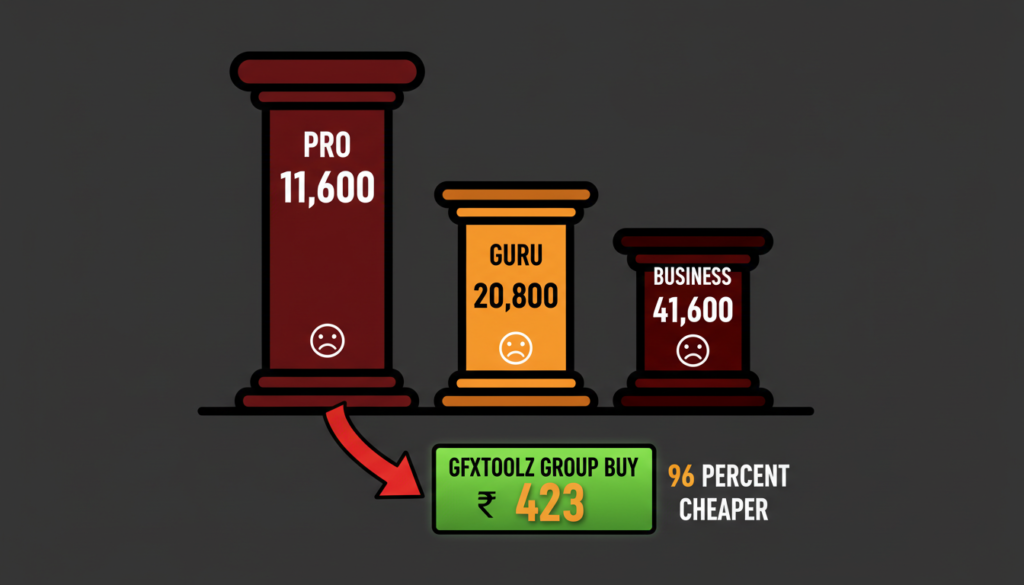
There is no Starter plan. Semrush’s free tier limits you to 10 searches per day — enough to explore the interface, not enough for real SEO work. A 7-day free trial is available but requires a credit card and auto-renews at full Pro pricing when it ends. Many users have been caught by this.
Ahrefs addressed the affordability gap with a $29/month Starter. Semrush hasn’t. The cheapest legitimate path to full Semrush access is still ₹11,600/month.
Group buy platforms provide Pro or Guru level access for ₹423–₹846/month. That’s a 96% saving on Pro. GFXToolz Basic at ₹423/month includes Semrush alongside 100+ other tools and an AI Studio. Against ₹11,600/month for Semrush alone, the numbers are what they are.
Adobe acquisition note: Semrush was acquired by Adobe in 2024. Semrush One, the post-acquisition bundled product, is reportedly priced around $99/month. Even at that price, it’s still more than group buy at ₹423/month, and early reports suggest Semrush One may not include the complete 55+ tool suite that Semrush Pro currently covers.
How to access Semrush through group buy
How it works
A group buy provider purchases a Semrush Pro or Guru subscription. Access is distributed through a Chrome extension. When you visit semrush.com, the extension authenticates your session using the provider’s master account — you never handle the login details yourself. Every feature on the plan type (Pro or Guru) is accessible normally.
One Semrush-specific detail worth understanding before you start: session-based concurrent access detection. Semrush detects when two users are logged into the same account simultaneously and logs both out. This is different from Ahrefs (IP-based detection, more aggressive) and is the main practical issue with shared Semrush access. The next section covers it in detail.
Where to get Semrush group buy in 2026
| Provider | Price | Plan level | Other tools | Trustpilot |
|---|---|---|---|---|
| GFXToolz Basic | ₹423/mo | Pro/Guru | 100+ tools + AI Studio | ~4.0/5 |
| GFXToolz Premium | ₹846/mo | Pro/Guru | 146+ tools + full AI | ~4.0/5 |
| Toolzbuy | ₹269/mo | Pro | 50+ tools | 4.7–4.8/5 |
| NoxTools | ₹249/mo | Pro | 50+ tools | 4.5–4.7/5 |
| Toolsurf | $0.99–$5/mo | Pro | Bundles from $19.99 | 3.9–4.1/5 |
| SupremSEO | $9/mo | Guru | 30–40 tools | Not prominently rated |
For Semrush-only access at the lowest price, Toolsurf at $0.99–$5/month. For Guru plan access with higher limits, SupremSEO at $9/month.
For Indian users who need Semrush alongside other professional tools, GFXToolz at ₹423/month covers Semrush, Ahrefs, Moz, Canva Pro, Grammarly, 40+ AI generation models, and 100 other tools — one INR-priced subscription, UPI payment, per-tool cost lower than any competitor at this tier.
The concurrent session issue (what nobody tells you)
This section matters more than any other in this guide. Every group buy Semrush article that skips it is doing you a disservice.
Semrush uses session-based detection. Two users logged into the same Semrush account at the same time triggers a conflict — Semrush logs both out. You’ll see “session expired” and need to re-authenticate through the extension.
This is actually less aggressive than Ahrefs’ IP-based detection, which is why Semrush shared accounts survive significantly longer before permanent termination. But occasional logouts during busy hours are something every group buy Semrush user deals with.
How to handle it:
Work in focused sessions rather than staying logged in all day. If you open Semrush for an hour of keyword research, do it in one sitting, export your results, close the tab. Don’t leave Semrush open while you do other work — it holds the session for no reason.
Work during off-peak hours when possible. For India-based platforms, early morning IST (6–8 AM) and late night (11 PM+) have fewer concurrent users. Peak hours are roughly 10 AM–6 PM IST on weekdays.
Export immediately. Every report you generate — keyword lists, competitor data, audit results — download it the moment it’s ready. Don’t rely on data persisting inside a shared account environment.
If you get logged out, wait 5–10 minutes before trying again. The other user’s session will likely end on its own.
How quality providers manage it:
Good platforms run multiple Semrush accounts in parallel and distribute users across them to reduce concurrent conflict probability. Better plan tiers get dedicated or less-shared accounts.
Group buy vs direct subscription
| Feature | Group buy (Pro access) | Semrush Pro direct ($139.95/mo) |
|---|---|---|
| Keyword searches | Shared pool | Unlimited dedicated |
| Projects | Shared environment | 5 dedicated projects |
| Keyword tracking | Shared pool | 500 dedicated keywords |
| Site Audit | Yes (shared crawl credits) | Yes (100K pages/month) |
| Domain Analytics | Full | Full |
| Content Marketing Toolkit | Plan-dependent | Guru+ only |
| API access | No | No (Business plan only) |
| Concurrent sessions | Possible conflicts | Guaranteed solo access |
| Price | ₹423/mo (GFXToolz) | ₹11,600/mo |
| Additional tools | 100+ included | Semrush only |
| Uptime guarantee | ~95–99% | 100% |
| ToS compliance | Violates ToS | Compliant |
The tradeoffs — concurrent session conflicts, shared project space, no ToS compliance — are manageable with the workflow adjustments above for most professional use cases. Where group buy falls short: if you need guaranteed conflict-free access at all hours and have client SLA requirements that can’t absorb occasional session disruptions, direct Pro is the cleaner choice.
How to use Semrush effectively (5 workflows)
Here’s what to actually do with Semrush, in order, for each use case.
Workflow 1: Keyword Magic Tool
The Keyword Magic Tool takes a seed keyword and generates a categorised, filterable list of thousands of related keywords. It’s Semrush’s most powerful keyword research feature and the one that saves the most time.
- Enter a seed keyword (e.g., “group buy seo tools”)
- Semrush generates a master list organised into topic groups on the left sidebar. Each group represents a cluster of related searches. Click into clusters matching your content focus
- Filter Keyword Difficulty: maximum 30 for new sites, 40–50 for sites with some authority
- Set Volume minimum to 100 (ignore near-zero-search keywords) and maximum to 5,000 (avoid head keywords you can’t rank for)
- Click the “Questions” tab for FAQ-style keywords — good for informational posts and FAQ sections that can appear in Google’s People Also Ask boxes
- Select all filtered results, export to CSV
Indian example: searching “group buy seo tools” reveals clusters including “group buy seo tools India,” “best group buy seo tools 2026,” “cheap group buy seo tools,” and “ahrefs group buy.” Each cluster is a potential blog post. One Keyword Magic Tool session can fill a full content calendar.
This workflow takes 20–30 minutes and produces more usable keyword data than most content teams use in a month.
Workflow 2: site audit
Semrush Site Audit crawls your website and surfaces technical SEO problems. For a new client, this is the first thing to run.
- Enter the site URL in Site Audit and configure your crawl (for most Indian small business sites, 500–2,000 pages is sufficient)
- Run the crawl. Group buy users: crawl credits are shared — run audits during off-peak hours and set reasonable crawl limits rather than crawling entire domains unnecessarily
- Review the Health Score: target 80%+ for a healthy site. Below 60% means significant technical problems
- Sort by severity: Critical → Errors → Warnings → Notices
- Fix immediately: broken internal links (404 errors), pages returning 5XX server errors, missing title tags or meta descriptions, duplicate content, pages blocked in robots.txt that should be indexed, Core Web Vitals failures
- Re-audit monthly to track improvement
Semrush labels every issue with an explanation of what it is and why it matters. Even beginners can follow the fix instructions without deep technical knowledge.
Workflow 3: competitor domain analysis
In 10 minutes, you can understand a competitor’s entire organic search strategy.
- Enter a competitor’s domain in Domain Overview
- Review organic traffic estimate, total keywords ranked, backlink count, traffic trend — this tells you immediately whether this competitor is growing, stable, or declining
- Click “Organic Research” to see the specific keywords they rank for, their positions, and estimated traffic per keyword
- Filter by country: India. Semrush shows Indian search performance specifically, which is often very different from global numbers
- Sort keywords by position 4–20. These are their “almost there” rankings — pages on page one but not in the top three, where well-optimised content could outrank them
- Export the full keyword list. Every keyword on their list that you don’t rank for is a potential content target
Workflow 4: position tracking
Without rank tracking, you don’t know whether your SEO work is having any effect.
- Navigate to Position Tracking and add a new project for your site
- Enter 20–50 target keywords you’ve specifically optimised content for
- Set target location to India (or a specific city for local SEO clients)
- Select both desktop and mobile tracking. In India, 70%+ of organic search traffic comes from mobile. A page ranking #3 on desktop but #15 on mobile has a specific problem worth fixing
- Set tracking frequency to weekly
- After 3–4 weeks of data, look for patterns: keywords moving into positions 1–10 (create supporting content and internal links), keywords stuck at 11–20 (close — improve the content and build links to those pages), keywords dropping (investigate for technical or algorithm changes)
Group buy note: export your tracking reports weekly. Don’t rely on dashboard history being available long-term in a shared environment.
Workflow 5: backlink analytics
- Enter your domain in Backlink Analytics
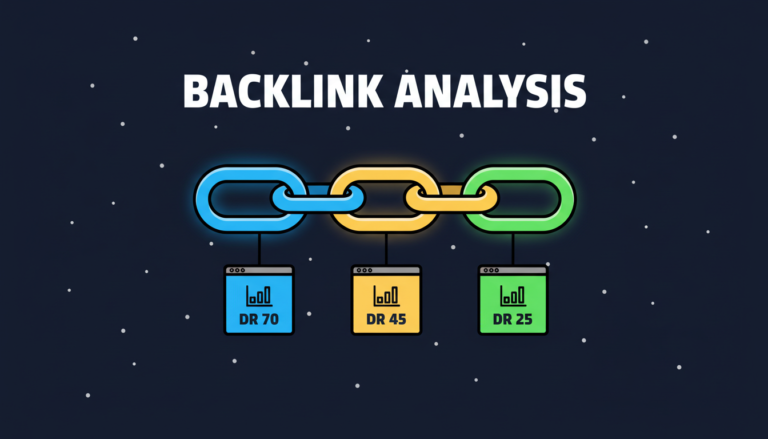
- Review your Authority Score, total backlinks, and total referring domains. Referring domains is the more important number — 1,000 links from 10 sites is weaker than 200 links from 200 different sites
- Check New vs Lost backlinks over the past 30 days. Gaining links steadily is healthy. Losing links significantly is worth investigating
- Switch to a competitor’s domain. Sites linking to them but not to you have already demonstrated willingness to link in your niche — these are your highest-priority outreach targets
- Export the competitor’s referring domains, filter for Authority Score above 30 (excluding low-quality directories). This is your link-building hit list
- Run Backlink Audit quarterly on your own domain — Semrush identifies potentially toxic links that could be hurting your authority
Semrush features unavailable through group buy
API access: Requires Semrush Business plan at $499.95/month. Not available at any group buy tier.
Dedicated project space: On a direct subscription, your 5 projects are yours — your data, your historical tracking, your saved configurations. On group buy, you’re in a shared environment. Saved configurations may not persist. Export rather than rely on cloud saves.
Guaranteed concurrent access: Direct subscribers never get logged out by another user. Group buy users occasionally do. Manageable, not eliminable.
Content Marketing Toolkit: Available on Guru plan and above on direct subscriptions. Through group buy, availability depends on which plan level your provider purchased. Ask your provider before relying on this for client work.
Social Media Toolkit: Typically unavailable through group buy access.
Full Content Marketing Platform: SEO Writing Assistant, ContentShake AI, and related tools are Guru+ features. Availability through group buy depends on provider plan level.
For the core SEO workflows — keyword research, competitor analysis, site audits, rank tracking, backlink analysis — group buy Pro access covers everything. The unavailable features matter for larger operations running automated reporting or the full Guru content suite.
Tips for getting the most from Semrush on group buy
Batch your sessions. Log in, do your research, export, close the tab. Don’t keep Semrush open in the background all day. It holds the session unnecessarily and is more likely to get interrupted mid-work.
Work early or late. 6–8 AM and 11 PM+ IST have fewer concurrent users on India-based platforms. If you have flexible hours, scheduling Semrush sessions here reduces conflict probability.
Export immediately. CSV or PDF, the moment a report is ready. Keyword lists, competitor analyses, audit results, position tracking snapshots — anything worth keeping needs to be on your machine, not inside the shared dashboard.
Prioritise Keyword Magic Tool and Domain Overview. An hour with Keyword Magic Tool properly filtered can fill three months of content calendar. A 15-minute Domain Overview on a competitor tells you more than a week of guessing.
Run site audits during off-peak hours. Crawl jobs are resource-heavy. 7 AM IST rather than 2 PM IST means faster crawl speeds and less competition from other users.
Combine Semrush with Google Search Console. Semrush tells you about the competitive landscape. GSC tells you about your own site — which queries drive impressions, actual click-through rates, real index coverage. GSC is free and gives you data no group buy tool can replicate.
FAQ
Is Semrush available through group buy in 2026? Yes. Multiple providers offer Semrush group buy access: GFXToolz (₹423/mo including 100+ other tools), NoxTools (₹249/mo), Toolzbuy (₹269/mo), Toolsurf ($0.99–$5/mo), and SupremSEO ($9/mo for Guru level). Semrush is one of the more stable tools in group buy because it uses session-based rather than IP-based detection.
Why is Semrush more stable than Ahrefs in group buy? Semrush detects concurrent simultaneous logins — two users active at exactly the same time. Ahrefs uses IP-based detection that flags logins from different locations regardless of timing. Semrush accounts survive much longer before termination. The day-to-day risk is a temporary logout during peak hours, not permanent account loss.
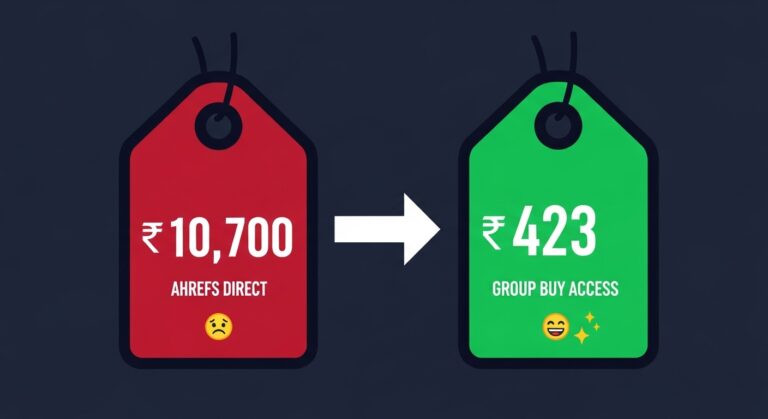
Is there a cheap Semrush plan like Ahrefs’ $29 Starter? No. Semrush has no budget entry plan. The cheapest direct option is Pro at $139.95/month (₹11,600). Post-Adobe acquisition, Semrush One is reportedly $99/month — still significantly more than group buy at ₹423–₹846/month. Group buy is currently the only realistic budget path to full Semrush access.
What Semrush features work through group buy? Through Pro-level group buy access: Keyword Magic Tool, Domain Overview, Organic Research, Site Audit, Backlink Analytics, Position Tracking, Traffic Analytics, Keyword Gap, and most core features. Not reliably available: API access, dedicated saved projects, Content Marketing Toolkit (plan-dependent), Social Media tools, guaranteed concurrent access.
Which group buy provider has the best Semrush access? Best overall value (Semrush + 100 tools + AI generation, INR pricing, UPI): GFXToolz at ₹423/month. Cheapest Semrush-only: Toolsurf at $0.99–$5/month. Guru plan access: SupremSEO at $9/month. Lowest INR price: NoxTools at ₹249/month or Toolzbuy at ₹269/month.
Can I use Semrush for client work through group buy? Yes. The data is identical whether accessed through group buy or a direct subscription — same keyword volumes, same competitor data, same audit results. Export everything for client reports rather than sharing dashboard access. Don’t store sensitive client data inside a shared account environment.
The bottom line
Semrush is expensive and has no budget plan. ₹11,600/month for Semrush Pro alone versus ₹423/month through GFXToolz for Semrush plus 100 other tools plus AI generation — that’s the gap group buy exists to fill.
Concurrent session conflicts, shared project environment, no ToS compliance: these are real issues, covered in detail above with specific adjustments that make them workable for most freelance and agency use cases. The one thing group buy genuinely can’t fix is the occasional logout. You’ll deal with it. It takes five minutes.
If guaranteed 100% uptime and dedicated project persistence matter to your workflow — enterprise clients, automated reporting pipelines — a direct subscription is worth the premium. For everyone else doing professional SEO work on a realistic Indian budget, group buy is how the numbers add up.
Access Semrush plus 100+ tools starting free at gfxtoolz.ai.
Also read:
- Ahrefs Group Buy Guide: How to Access & Use It Effectively
- How to Do Keyword Research in 2026: Complete Beginner Guide
- Best Group Buy SEO Tools in 2026: Top 10 Providers Ranked
Leave a Comment